Branding
How to Tell Your Story Through Your Brand Design
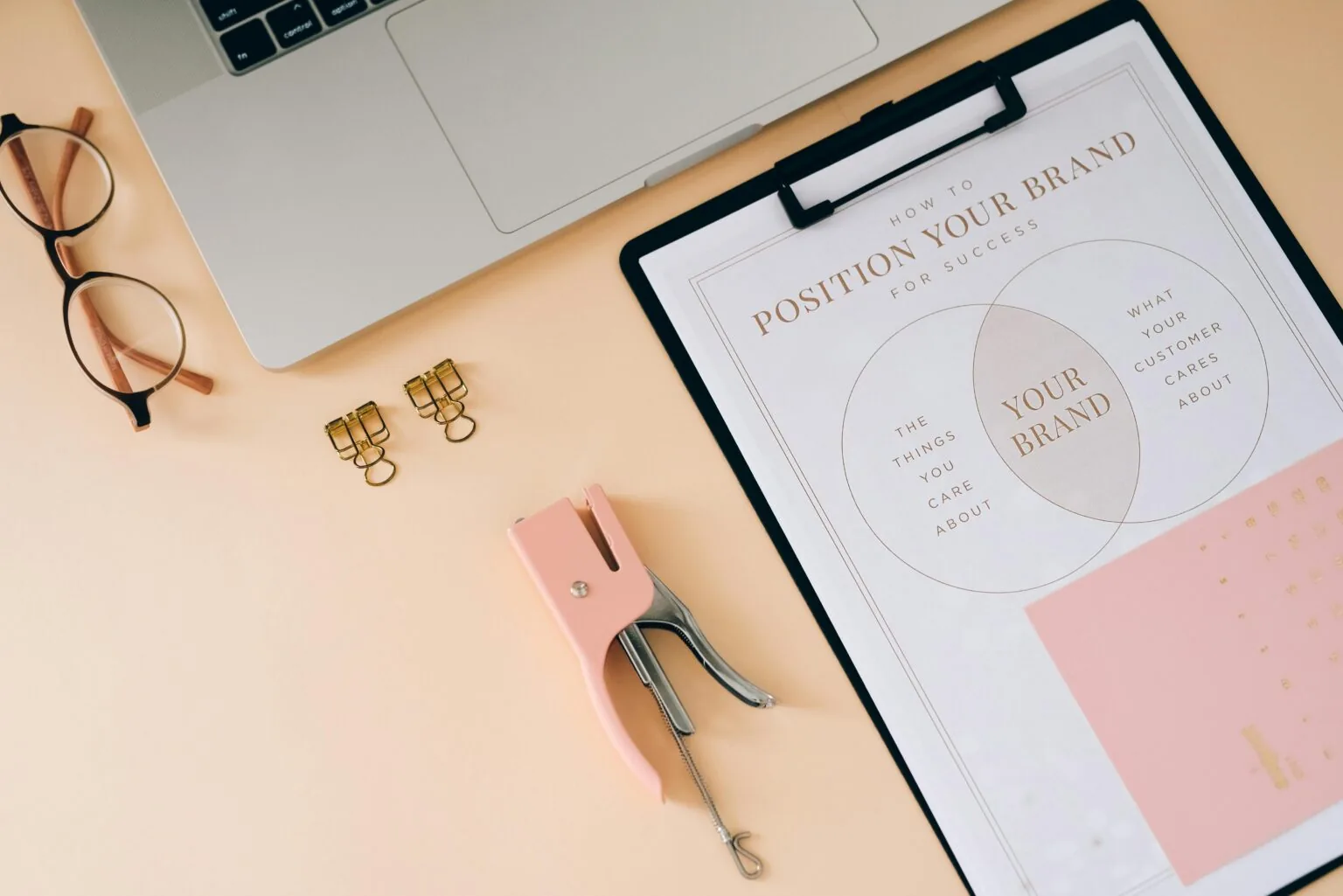
Your brand isn’t just a logo or a color palette—it’s a story. A well-told brand story draws customers in, makes them feel connected, and helps your business stand out. When done right, your brand design becomes a powerful tool that communicates who you are, what you do, and why it matters—all without saying a word. So, how do you tell your story through your brand design? Let’s break it down step by step.
1. Start With Your “Why”
Every great brand begins with a purpose. Why did you start your business? What inspired you? What problem are you solving for your customers? Your “why” is the foundation of your story, and it should be reflected in every element of your brand design.
For instance, if your business started because you wanted to bring joy and creativity to people’s lives, your design should feel playful and vibrant. Bright colors, hand-drawn elements, or whimsical fonts might convey this perfectly. On the other hand, if your business is all about reliability and trust—say, you’re an accounting firm—your design should reflect professionalism and stability, with clean lines, structured layouts, and calming colors like blues and grays.
2. Understand Your Audience
Your brand story isn’t just about you—it’s also about your audience. Who are they, and what do they care about? Your design should resonate with their values, aspirations, and needs.
For example, if your audience is eco-conscious, consider using earthy tones like greens and browns, and emphasize sustainability through materials and design choices. If you’re targeting a younger, trendier demographic, bold, experimental typography and dynamic layouts might capture their attention.
Take the time to research your audience. What are their favorite brands? What visuals do they connect with? The more you know about them, the better you can tailor your design to create an emotional connection.
3. Define Your Visual Elements
Once you’ve nailed down your “why” and your audience, it’s time to translate your story into visuals. Here’s how to approach key elements of your brand design:
- Logo: Your logo is often the first thing people associate with your brand. A great logo should be simple, memorable, and aligned with your story. For example, a fitness brand might use dynamic shapes to convey movement, while a bakery might lean into softer, hand-drawn imagery to evoke warmth and nostalgia.
- Color Palette: Colors are powerful storytellers. They evoke emotions and set the tone for your brand. For instance, red often signifies passion and energy, while green is associated with growth and sustainability. Choose colors that align with your story and the feelings you want to evoke in your audience.
- Typography: Fonts play a bigger role than you might think. Serif fonts often feel classic and trustworthy, while sans-serif fonts are modern and clean. Want to convey creativity? Try using a custom or decorative font that feels unique to your brand.
- Imagery: Whether it’s photography, illustrations, or patterns, the imagery you use should align with your story. If your brand is focused on luxury, opt for high-quality, polished images. If your brand is about being approachable and down-to-earth, consider candid, authentic photography or playful illustrations.
4. Stay Consistent Across Touchpoints
Your story loses impact if it’s told differently on every platform. Consistency is key. Your logo, colors, fonts, and imagery should all work together seamlessly across your website, social media, packaging, and other materials.
Imagine your brand as a puzzle. Each piece—your website, your Instagram feed, your email signature—should fit together to create a cohesive picture. This consistency not only reinforces your story but also builds trust and recognition with your audience.
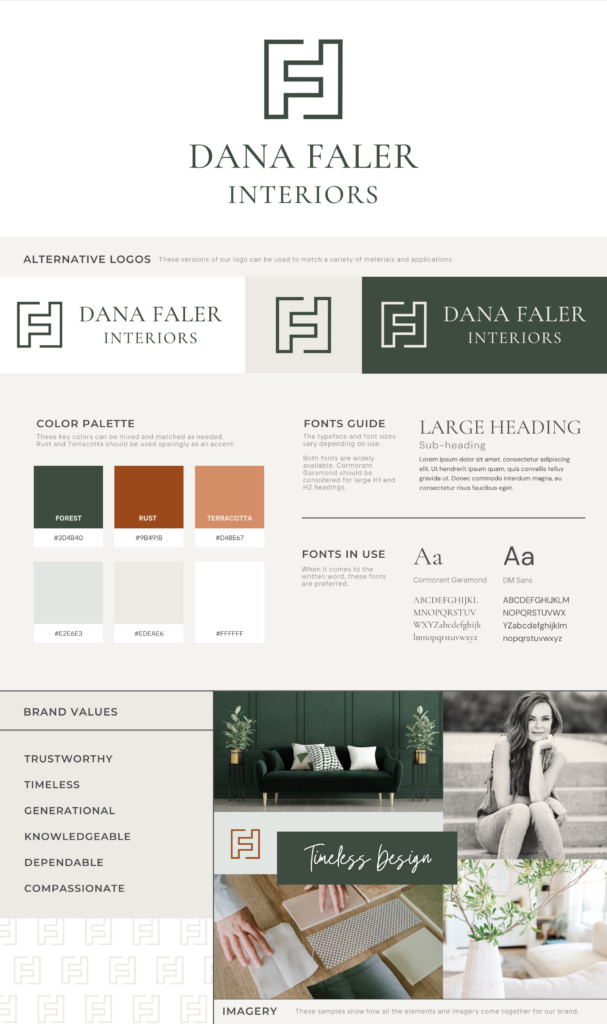
One way to ensure consistency is by creating a brand style guide. This document outlines all the elements of your brand design, including specific colors (with hex codes), font names, logo variations, and rules for usage. A style guide acts as a roadmap for you, your team, or any designers you work with, ensuring your story stays intact.
5. Evolve While Staying True to Your Roots
As your business grows, your story might evolve—but your core values should remain the same. Your brand design should reflect this balance between growth and consistency.
For instance, you might decide to refresh your logo to make it more modern while keeping elements that tie back to your original design. Or, you could expand your color palette to reflect new product offerings or audiences, while still maintaining your brand’s overall vibe.
Think of your brand design as a living, breathing entity. It should grow with you but always stay true to the heart of your story.
6. Show, Don’t Just Tell
Finally, remember that great design isn’t just about visuals—it’s also about experience. How people interact with your brand is just as important as how it looks.
For example:
- If your story is about innovation, your website should feel cutting-edge, with intuitive navigation and interactive elements.
- If your story is about community, your packaging might include handwritten thank-you notes or photos of your team.
Look for opportunities to weave your story into every customer touchpoint. The more your audience experiences your story, the more they’ll remember it.
Ready to Tell Your Story?
Your brand design is a powerful way to connect with your audience, build trust, and set yourself apart. By starting with your “why,” understanding your audience, defining your visual elements, and staying consistent, you can create a brand that not only looks great but also tells a story your customers will love.
Need help crafting a brand that tells your story? Let’s connect! At Jaclyn Hope Design, we specialize in turning small business stories into unforgettable brands. We support small business clients around the Seattle area and across the entire United States. Reach out, we’d love to hear from you.